Skip to content

FUNDRAISING CAMPAIGNS

Health for Those who Care

A Commitment to Those Who Make Health Possible in the Tansa Valley

Mission and Objectives

“Health for Those Who Care” is an initiative led by PRASAD Europe to support the work of medical and healthcare personnel at the PRASAD Chikitsa hospital, located in the Tansa Valley, India. This hospital offers comprehensive and free care to rural and tribal communities in vulnerable situations, addressing critical needs in ophthalmology, maternal and child health, infectious and chronic diseases, mental health, and community health.

The objective of the program is to ensure the stability, motivation, and training of healthcare personnel, overcoming the main structural challenges that hinder their continued presence in the region.

The Value of Medical Care in the Tansa Valley

The PRASAD Chikitsa hospital is a vital hub in the healthcare network of the Palghar district. Its team offers free medical services in a region where, until recently, there was no accessible public health infrastructure. Currently, the hospital and its associated centers carry out the following activities:

Eye surgery and ophthalmologic care: more than 18,000 cataract surgeries performed since its opening. The hospital is equipped with a modular operating theater, state-of-the-art equipment (Phaco, YAG laser, autorefractometer, etc.), and a community detection and prevention program.

Mobile clinics and general services: through the Anukampaa Health Centre, general consultations, dental services, psychiatric care, and community health programs are offered. The mobile hospital serves more than 5,000 people per year.

Maternal and child health and nutrition: programs are managed for reproductive health, pregnancy monitoring, prevention of mother-to-child HIV transmission, anemia, vaccinations, and distribution of enriched milk and nutritious meals in villages.

Tuberculosis and HIV programs: PRASAD Chikitsa is a government-accredited center as a DMC (Designated Microscopy Centre) and LAC (Linked ART Centre), serving over 1,700 patients with HIV and having received state-level recognition for its work.

Community health and health education: educational campaigns, workshops for adolescents, menstrual hygiene programs, and training for community leaders are conducted.

Thanks to its comprehensive approach, PRASAD Chikitsa not only treats diseases but promotes a profound transformation in the health and awareness of communities.

Priority Medical Specialties at PRASAD Chikitsa Hospital:

To maintain and expand current services and ensure quality medical care, the availability of staff in the following specialties is considered a priority:

  • Ophthalmology
  • General Medicine and Family Medicine
  • Gynecology and Obstetrics
  • Pediatrics
  • Community Health Nursing
  • Mental Health and Psychiatry
  • Infectious Diseases (Tuberculosis,
  • HIV/AIDS)
  • Dentistry

These specialties not only meet the region’s clinical needs but also enable comprehensive, preventive, and community-focused care.

Recognitions and Awards:

PRASAD Chikitsa’s commitment to public health has been widely recognized by national and international institutions. Some recognitions include:

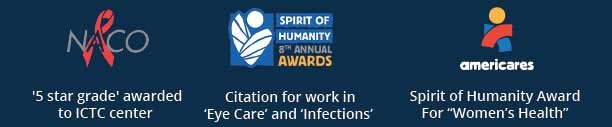
  • Excellence Award in HIV/AIDS Control by the Government of Maharashtra (2019 and 2023).
  • Recognition as a model DMC and LAC center for its work in diagnosis and follow-up of patients with tuberculosis and HIV.
  • Local awards in community health for its educational and women’s empowerment approach in tribal areas.
  • Special mentions from the District AIDS Control Society for its prevention campaigns and treatment adherence.


These recognitions not only validate the quality of the medical work carried out but also reinforce the need to secure the human resources that make it possible.

Identified Issues on the Ground

During visits by PRASAD Europe representatives, the following critical barriers were identified:

– Non-competitive salaries: NGOs cannot match the salaries offered by urban private centers, leading to constant staff turnover.

– Remote hospital location: The Tansa Valley has serious transportation and connectivity limitations, preventing doctors from combining hospital work with private practice. Most medical staff live in Thane city, 3 to 4 hours by road from the hospital, increasing fatigue, reducing availability, and hindering continuous care.

– Lack of decent and nearby accommodation: Many professionals live far from the hospital, complicating their daily routines and availability.

– Limited continuous training and local professional development: This restricts staff growth and reduces incentives to stay.

Project Objectives

– Secure at least 4 positions for stable, trained, and locally committed healthcare professionals.

– Improve working conditions through salary incentives, continuous training, and comprehensive well-being.

– Create support infrastructure such as housing and transport.

– Build a collaboration network with universities, medical associations, and public hospitals to promote exchanges and professional recognition.

Estimated Fundraising Needs for 3 Years

The estimated annual budget is as follows:
Incentives & Salaries for 4 permanent healthcare professionals = €65,000

Total for 3 years: €195,000.
An annual inflation of 10% will need to be factored into the above budget year on year.

“Health for Those Who Care” is a commitment to sustaining medical work in rural contexts. Ensuring the well-being of those who care for vulnerable communities not only improves care quality, but also honors the commitment and vocation that define humanitarian medicine.

Every collaboration helps sustain a vocation. Every contribution ensures quality care. Because caring for those who care is caring for everyone’s health.